

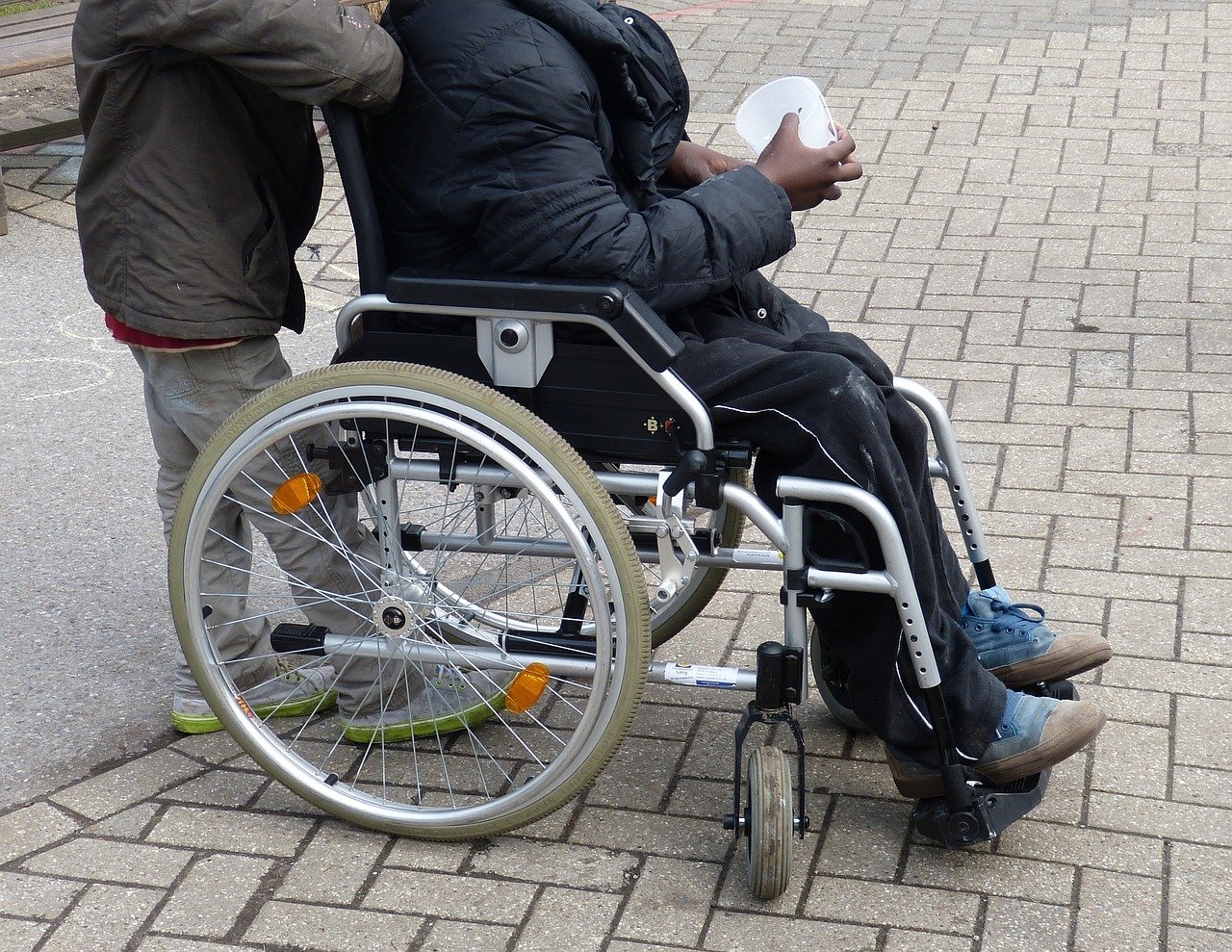
Recovering from a physical or emotional illness can be a life-altering process that requires a holistic approach to healing. The journey of rehabilitation and self-care can be filled with uncertainties, but it also offers an empowering opportunity for personal growth and development. This article explores the multifaceted facets of healing and empowerment: how it intersects with rehabilitation and self-care, and the holistic ways in which we can support ourselves in our journey towards wellness.
1. Taking Back the Wheel: Entering the Rehabilitation Journey
Starting You Off
Entering the rehabilitation journey does not have to be a daunting prospect. It can be an exciting opportunity to take back control of your life and start anew. Taking charge of your own healing and wellbeing is an empowering process that brings out an inner strength you didn’t know you had. Here are some ideas for how to get started:
- Take a close inventory of your life: analyze the relationships, commitment levels, and daily stressors that might be affecting your health and wellbeing.
- Follow up with your health care team and make sure that you understand and observe all of the medical advice.
- Create positive goals and empower yourself to pursue them.
- Find a support system to lean on during the hard times and celebrate successes with.
It is important to be patient and to not overwhelm yourself with too many tasks. You are embarking on an arduous road to wellness, so carving out time for self-care and understanding your limits are both essential. If you need help, it is ok to seek out a counselor or therapist.
Tools for the Journey
Having the right tools is important when traveling on the road to recovery and growth. There are a number of resources available to give structure and support during this journey. Here are some to consider:
- Organizational systems: Schedules, checklists, and to do lists can provide a sense of direction.
- Counseling and therapy: Talking to a professional can help you through challenging moments or provide a regular routine for mental and emotional upkeep.
- Symbolic items: Items such as journals or art can be used to express the struggles associated with the rehabilitation journey.
- Motivational series: There are many books, movies, and documentaries that focus on stories of success and resilience against the odds.
Be sure to put your tools to use and use them to create a strong foundation for long-term success.
Committing to Recovery
Committing to a plan and following through with actions that are connected to that plan is the best way to stay on the path to recovery. As difficult moments arise, be patient, practice self-compassion, and focus on the positive gains you have already achieved by entering the rehabilitation journey. Connect with your motivation to heal and use it to keep pushing you forward, take advantage of any setbacks as learning moments and look for silver linings in difficult circumstances.
Although taking back the wheel can be daunting at first, you are truly capable of this feat. Now is the time to take charge of your wellbeing and embark on the journey of recovery.
2. Reflection and Awareness: Tracing the Path to Healing
We all have an innate capacity for self-healing. The path to healing is easy to follow if we take the time to become aware of and reflect on our feelings. This inner journey requires us to be observant, introspective, and honest with ourselves.
Taking A Deeper Look Into Ourselves
In order to begin our healing process, we must start looking within. To gain perspective and clarity, we need to ask ourselves probing, honest questions. Why do I feel this way? What did I learn from this experience? Is this experience related to a past event?
Answering these types of questions can provide insights into our behavior, emotional reactions, and beliefs. It also allows us to become more aware of the patterns, traumas, and triggers that are hindering our healing process.
Reflection and Mindfulness
Rituals like journaling, meditation, and prayer can help us gain clarity and insight into our emotional and spiritual states. When we take time to pause and reflect, we gain a better understanding of our true needs and feelings. We also learn to be less judgmental of ourselves and others.
Mindfulness is another powerful tool for tracing the path to healing. It allows us to be aware of our thoughts and emotions in the present moment. Through mindful practice, we can identify the trauma that needs to be addressed and released. Once we gain this understanding, we can take the necessary steps to create lasting change.
Healing Through Action
We can’t expect to heal overnight. It’s a process that involves discovering our inner strength and making small, but impactful, changes. By setting boundaries in relationships, exploring our spiritual side, embracing our imperfections, and practicing self-love and self-care, we can make great strides towards healing.
Ultimately, the path to healing is up to us. Through reflection and awareness, we can come to terms with our pain and start the journey towards greater self-love and self-understanding.
3. Breaking the Cycle: Implementing Self-Care Strategies
One of the most essential aspects of taking on self-care is breaking the cycle of self-neglect. Breaking old habits can be a difficult task, but it doesn’t have to be. Here are some strategies to get you on your way:
- Make it Routine: Create a schedule that works best for you and stick to it. Whether it’s setting aside time to listen to music, read your favorite book, attend a yoga class, journal, or meditate, make sure that you are scheduling time to practice self-care every day.
- Learn To Recharge: Doing something physical, like going for a walk outside or playing a sport, can help to clear your mind and help to recharge your energy. Regularly changing your environment can also work wonders to bring in new perspectives and provide a mental break.
- Enlist Help: When problems are too tangled for a DIY solution, reach out for help from family and friends. Use these relationships to talk through issues and allow them to help motivate or guide you.
It’s also important to recognize that self-care isn’t just about reducing stress and anxiety, it is also about valuing one’s self. Self-care means taking the time to appreciate one’s emotional, physical, and mental well-being. Investing in yourself is not selfish. In fact, it is the best investment you can make.
Every person should strive to create a sense of balance in their lives as it is directly linked to one’s overall health and happiness. Learning new ways to practice self-care will not only result in a healthier lifestyle, but also in a higher satisfaction with life in general.
4. Embarking on the Journey to Empowerment
Achieving personal empowerment is likely to be one of the most difficult journeys you can ever embark on, but it’s certainly worth the effort! There’s no one-size-fits-all approach, so it’s important to recognize what approach works best for you and your personal development. Here are five tips to get you started:
- Know Yourself: Take the time to explore who you really are mentally, spiritually, and emotionally. Dare to be honest with yourself so you can get to the root of any issue you need to work on.
- Form a Focused Vision: Have an understanding of where you’d like to be and what you would like to obtain in the near and distant future. A vision and understanding of what you would want to achieve will help guide your actions.
- Develop Self-Awareness: Notice any reaction or behaviour that could be detrimental to your progress. Developing self-awareness is integral to pursuing self-empowerment.
- Set Goals and Celebrate Small Wins: Focusing on long-term goals can seem daunting, so it’s important to break your goals into manageable, measurable smaller goals that can boost motivation and provide clarity on the path forward.
- Surround Yourself with Supportive People: Having people around you who can cheer you on and provide support when needed can hold you accountable and supply encouragement. Connecting with people with similar goals can help to keep everyone focused.
Applying these tips regularly throughout your journey of self-empowerment will serve to set a strong foundation and help you make positive change. It’s important to give yourself grace and understand that developing a strong sense of personal strength is a process that takes time, it is one that requires practice. Keep going and don’t forget to celebrate your small wins, for some day you will find that the journey to self-empowerment has paid off!
There is no one-size-fits-all solution to take control of your mental and physical health. Every journey to healing is unique, and developing the strength to express yourself through self-care is an incredible achievement. However, it’s equally important to find consistency in your lifestyle and to continuously search for ways to promote emotional wellness. The process of rehabilitation and self-care is a powerful and rewarding journey, and one that everyone is capable of undertaking. Don’t be afraid to take the first step and embark on the path to self-healing today.